Frequently Asked Questions
How does a thermal mass flow sensor work?
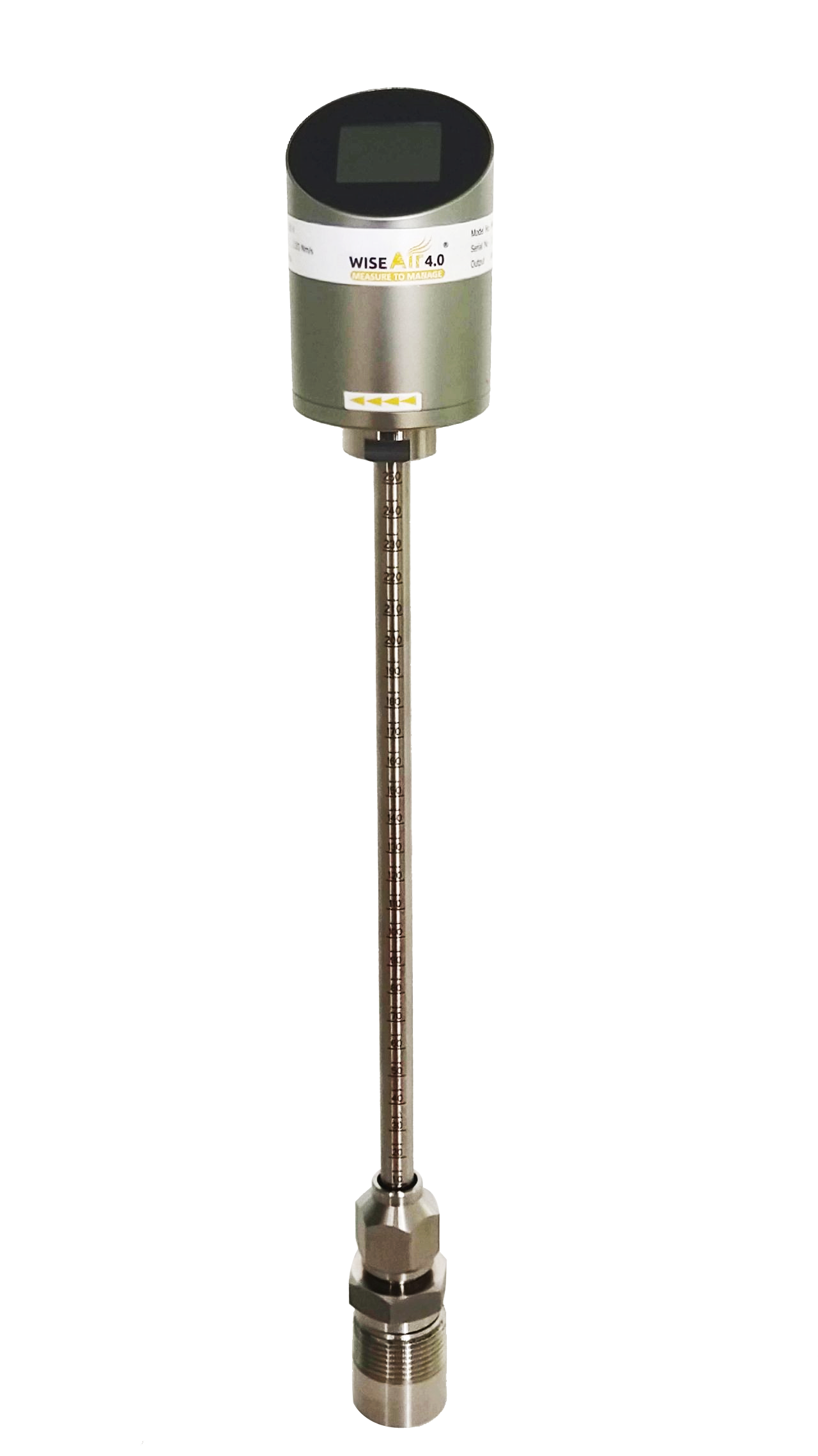
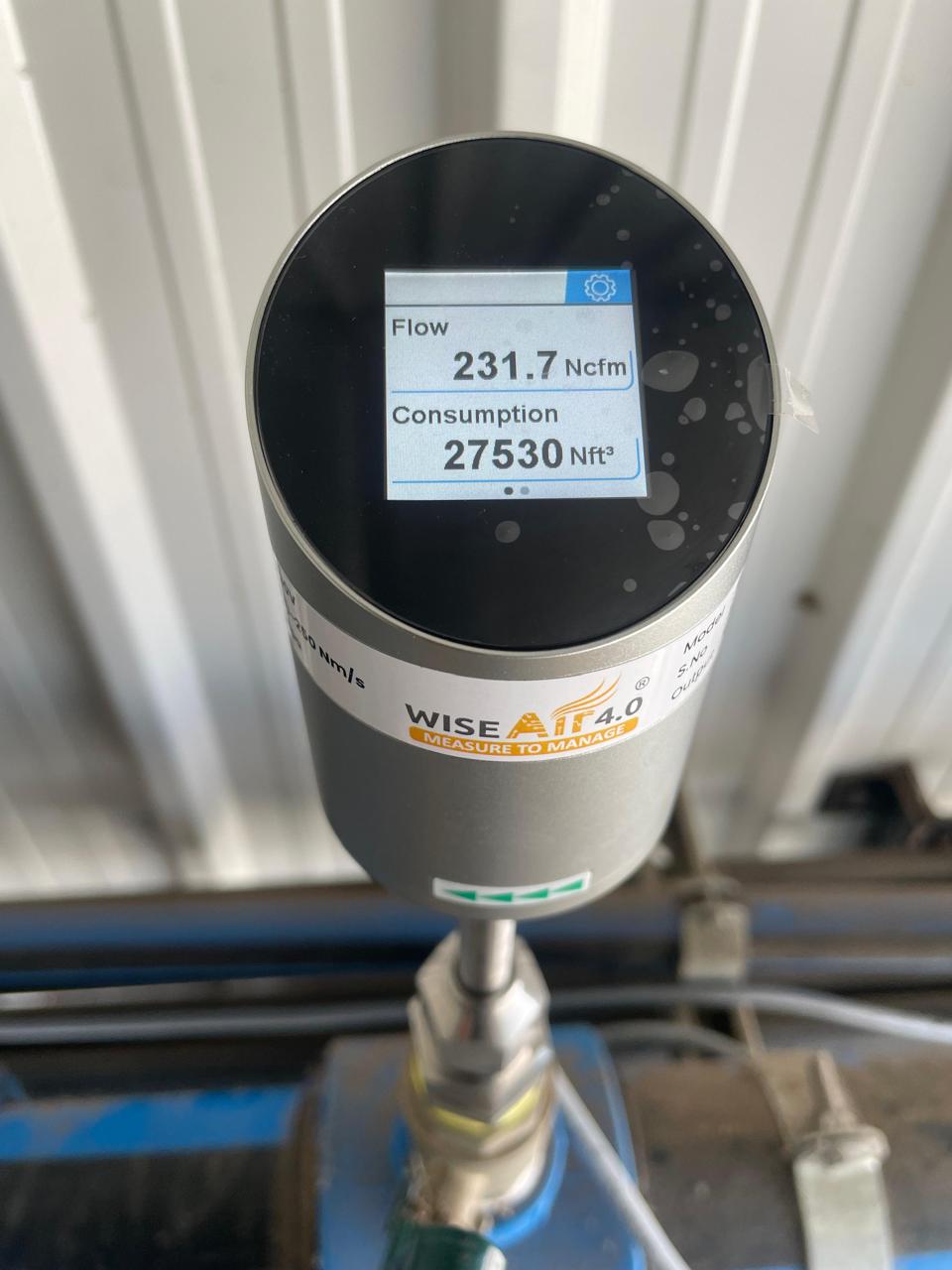
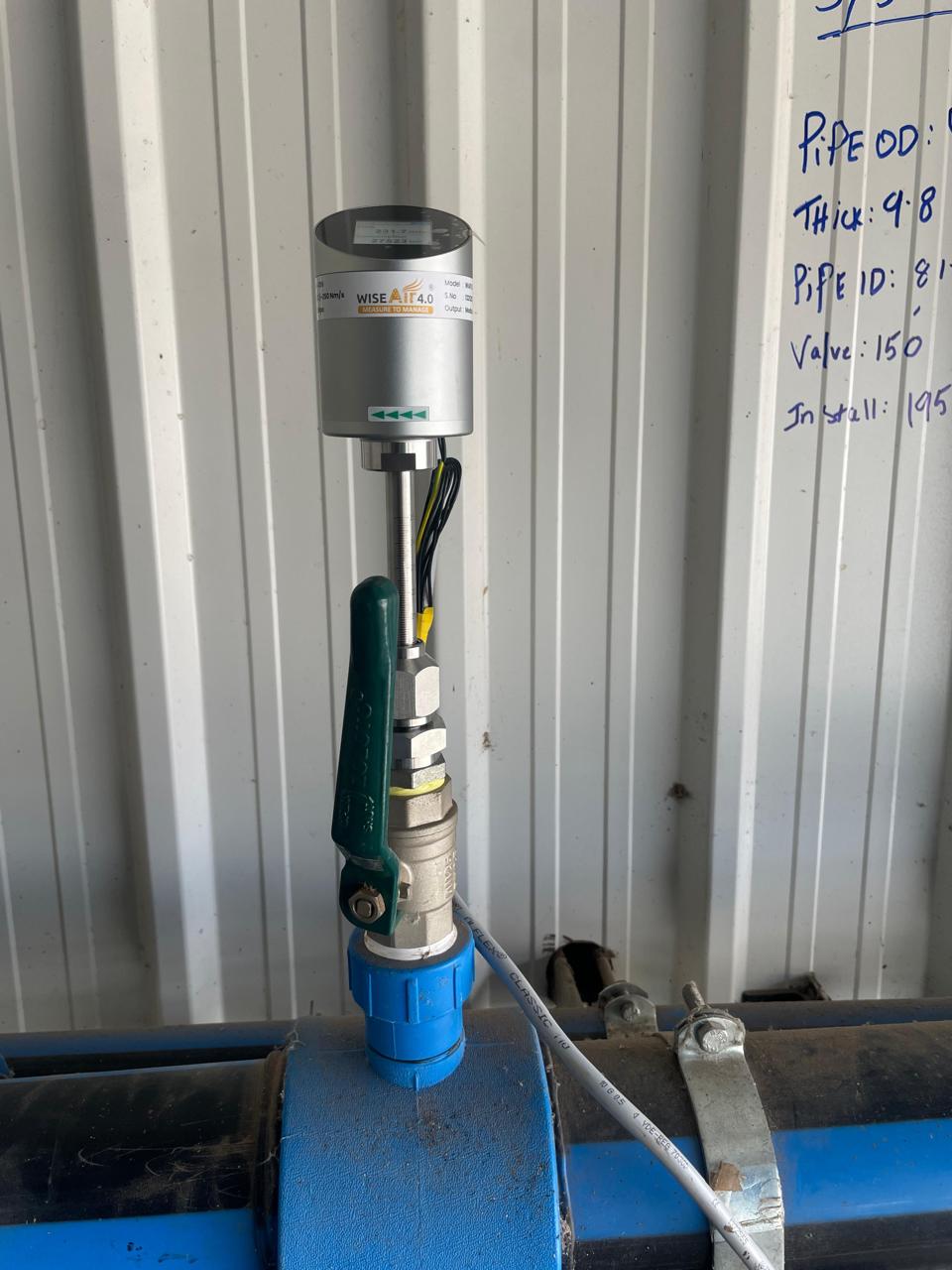
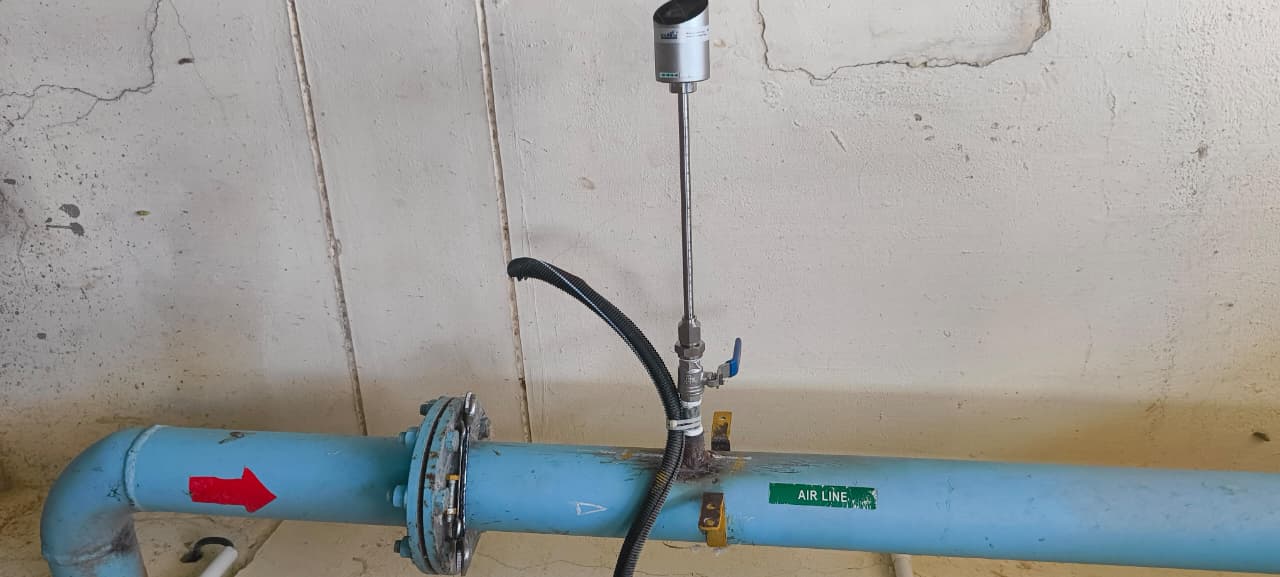
A thermal mass flow sensor measures gas flow by detecting heat transfer from a heated element. As compressed air flows past the sensor, it carries away heat proportional to the mass flow rate.
What are the advantages of thermal mass flow sensors for compressed air?
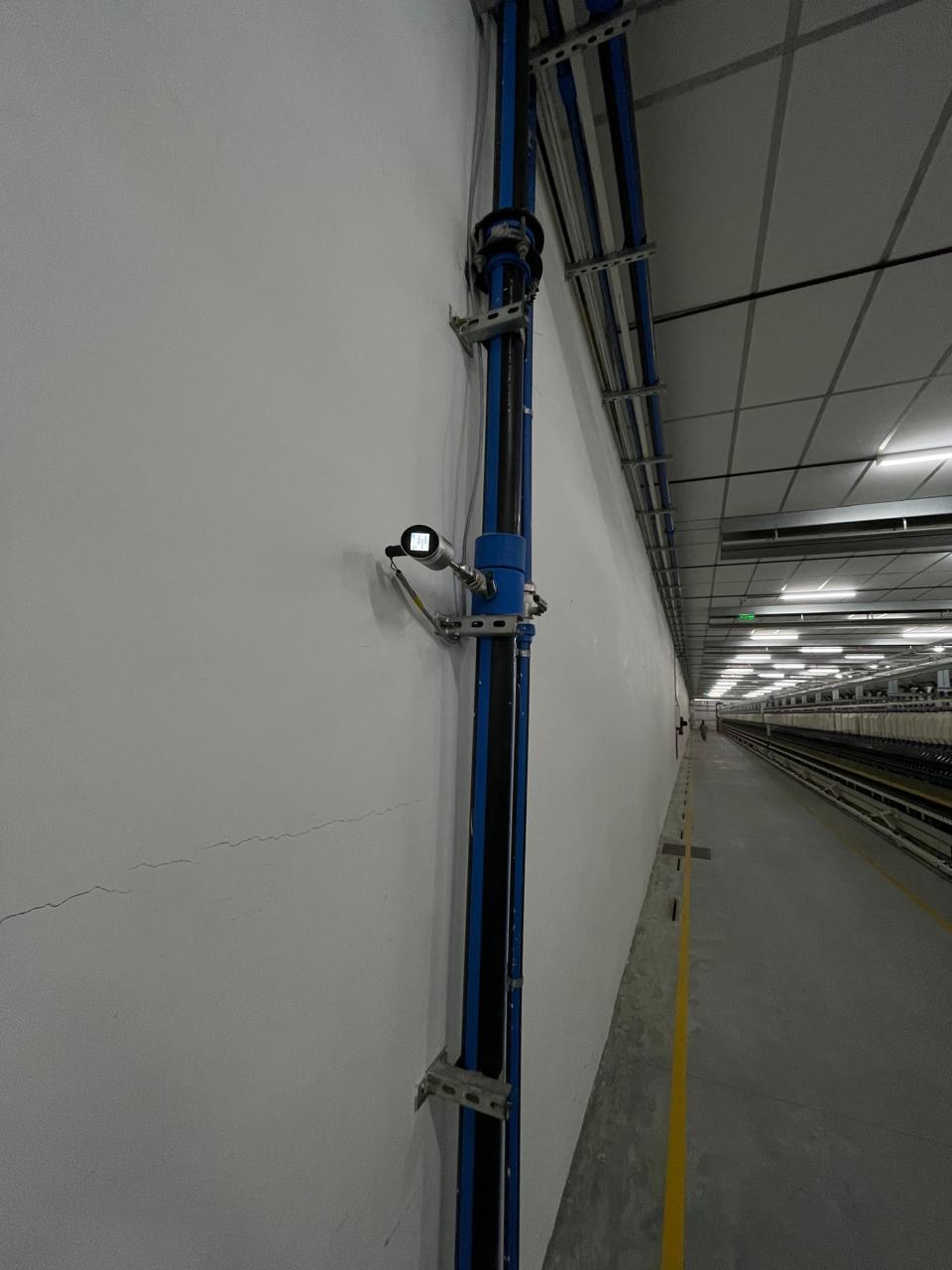
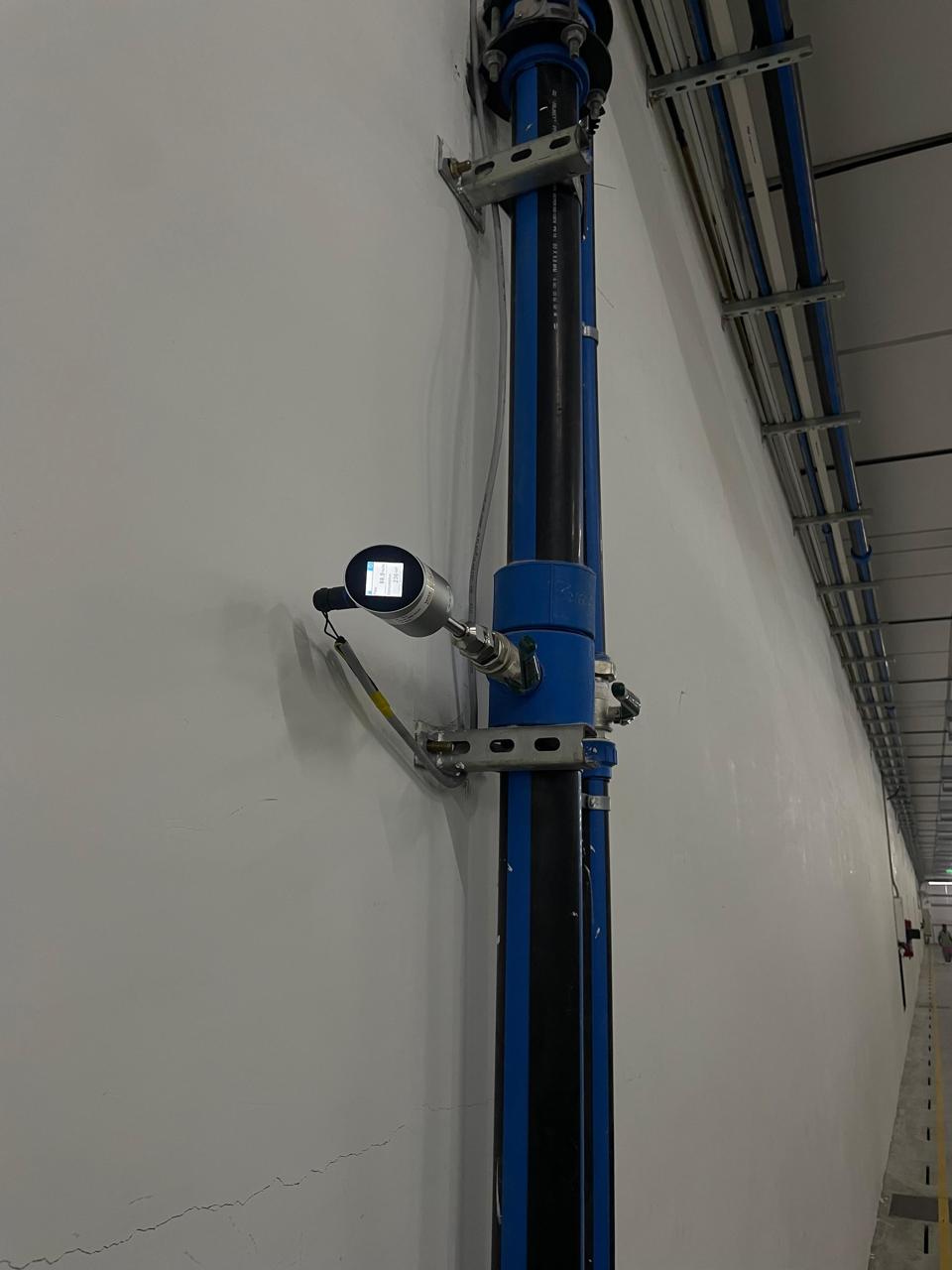
Thermal mass flow sensors offer no moving parts, low pressure drop, direct mass flow measurement, wide turndown ratio, and minimal maintenance requirements for compressed air systems.
Can the WAFS 104 measure different gases?
While optimized for compressed air, the WAFS 104 thermal mass flow sensor can be calibrated for other industrial gases including nitrogen, oxygen, and natural gas.