
How to Reduce Compressed Air Costs: 7 Proven Strategies for Industrial Plants
Discover 7 proven strategies to reduce your compressed air costs by 20-50%. From leak detection and flow monitoring to pressure optimization and smart condensate management, learn how industrial plants are cutting energy waste while maintaining peak performance….

Complete Guide to Compressed Air Leak Detection: Methods, Tools & ROI
A comprehensive guide to compressed air leak detection covering ultrasonic and acoustic imaging methods. Learn how to calculate leak costs, compare detection technologies, and build a preventive leak management program that delivers measurable ROI….

Compressed Air Monitoring Systems: What to Measure and Why It Matters
Discover the 5 key parameters every compressed air system should monitor. Learn how tracking flow, pressure, dew point, power consumption, and condensate levels delivers 15-30% energy savings and prevents costly downtime….
The Power You Don’t See: Why Smart Monitoring Is the Future of Industrial Efficiency
Compressed air is one of the most critical yet least visible utilities in industrial operations. This blog explores how hidden inefficiencies silently drain energy and increase costs—and why traditional, reactive approaches are no longer enough. It highlights how smart monitoring brings real-time visibility, operational insight, and confident control to compressed air systems, enabling industries to reduce waste, improve reliability, and unlock efficiency from existing infrastructure.

How Compressed Air Monitoring Pays for Itself: A Case Study
The case study clearly demonstrates how a smart monitoring system for compressed air systems can help businesses save significant costs on energy, maintenance, and repair expenses. The case study also shows how the initial investment in a monitoring system pays off in just under six months, making it a worthwhile investment for businesses looking to optimize their compressed air systems.
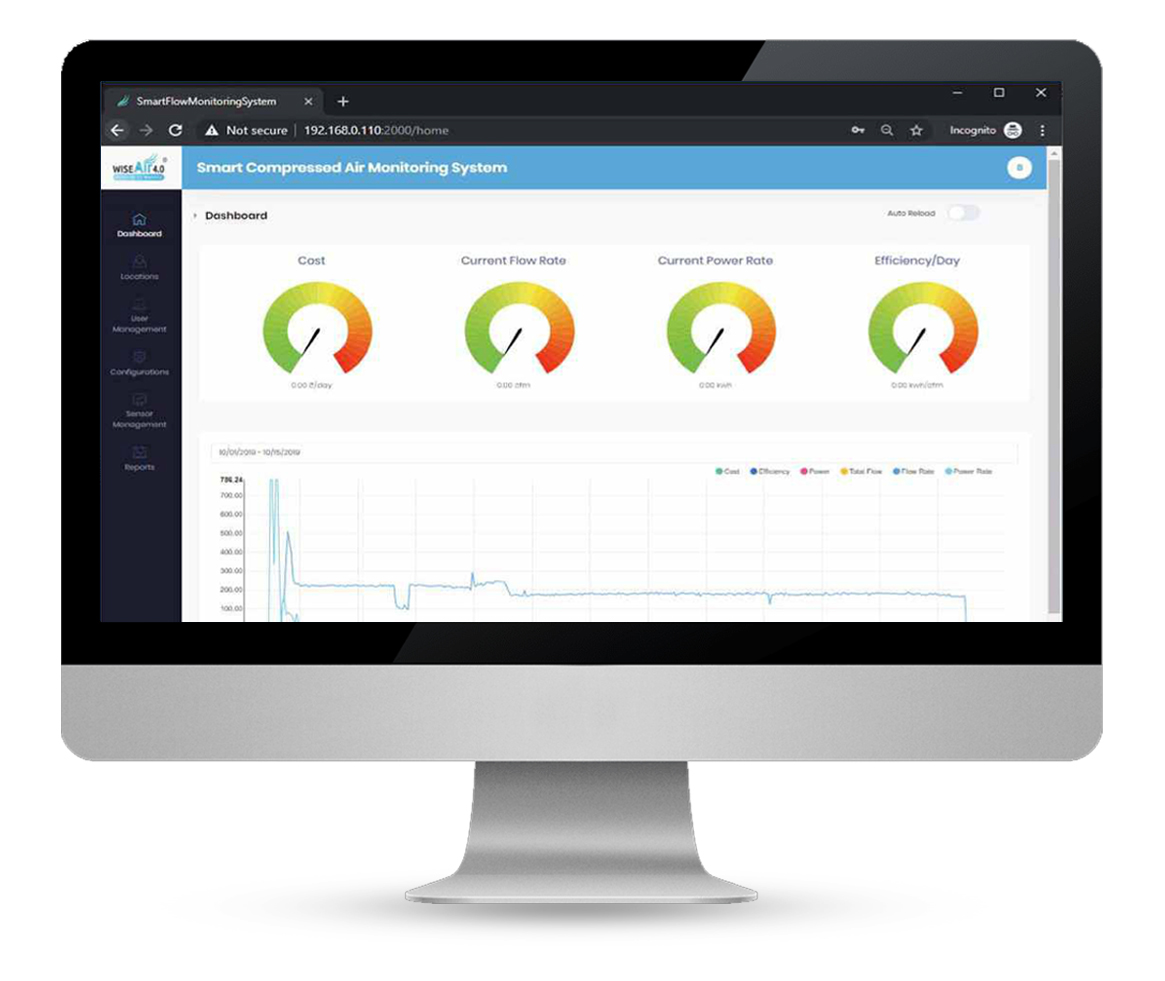
Case Study on Reducing Costs in Your Compressed Air System
by Installing WISEAIR 4.0 Smart Monitoring System
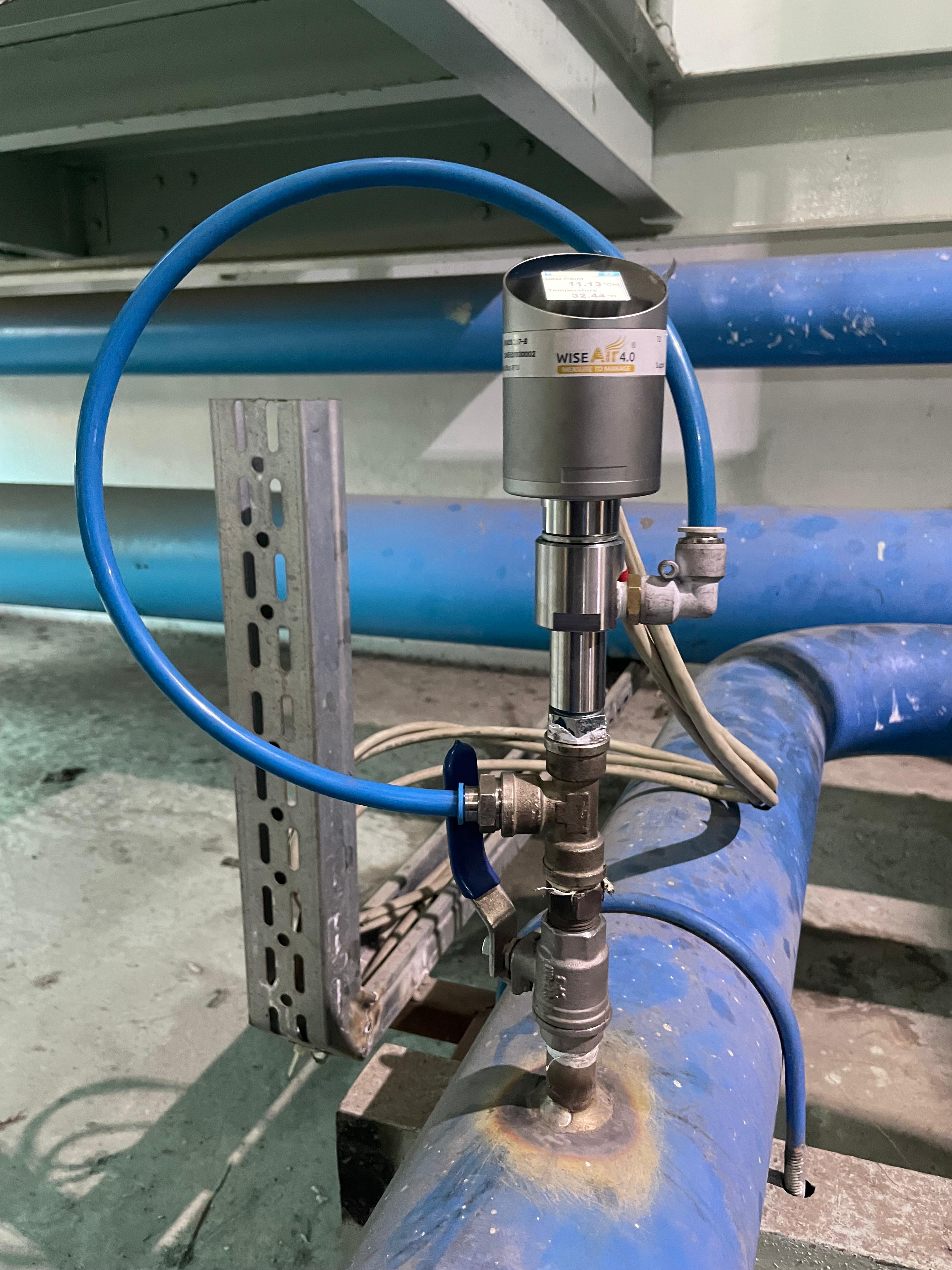
A Speciality Steel Manufacturing Plant in TamilNadu was operating 3 Nos of Centrifugal Compressors with Total Capacity of 14700 CFM. Each of these Centrifugal Compressors were installed with Orifice Plate Differential Pressure Flow Sensor for Measuring the Compressor Output delivery and the measured flow values were integrated to the Compressor’s Display Panel. The Compressors in total were consuming….

Case Study on Dew Point Measurement is Important
All atmospheric air contains some water vapor, which will begin to condense into liquid water in the compressed air or gas system when the air or gas cools past the saturation point, i.e., the point where it can hold no more water vapor. The temperature at which this happens is known as the dew point**. This dew point becomes all-important in determining…

Industrial Automation Expo 2022
New World, New Platform, Infinite Opportunities!
With An Aspiration Of Becoming A Self-reliant Nation, Let Us Re-invent The Manufacturing Landscape Of India…

Let’s Revolutionize the Industry 4.0 Ecosystem Together!
As environmental awareness increases, industries and businesses have become concerned about the issues of natural resource depletion and environmental degradation. Many companies…

Case Study on Smart Monitoring Solutions for Compressed Air System
Compressed air systems are complex systems and often “grow over time”. With constant system monitoring using meaningful KPIs, operators, supervisors and management are kept informed and constructive energy management is possible….
Why IIoT Monitoring Matters for Modern Industries
Today’s industries operate in an environment where:
- Energy costs are rising
- Production demands are increasing
- Downtime has become more expensive
- Sustainability and efficiency targets are tightening
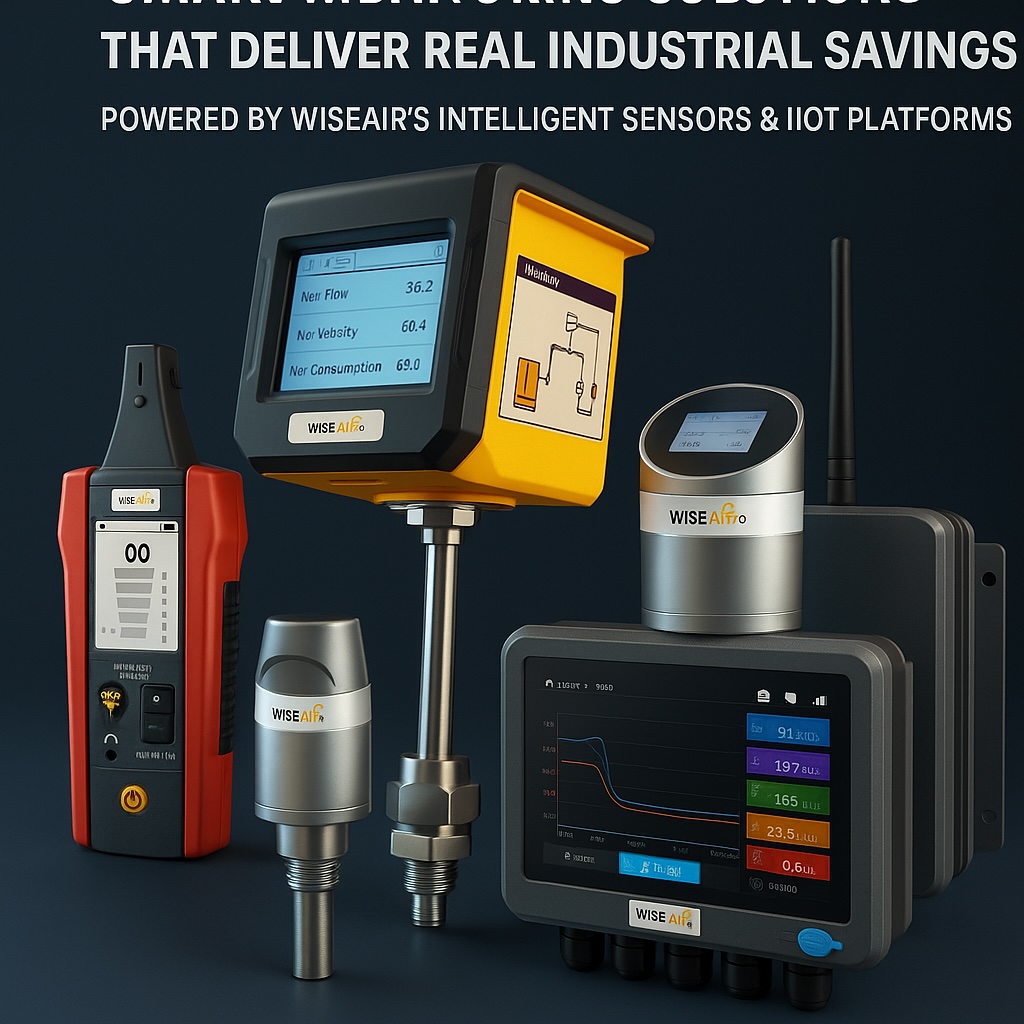
WiseAir’s IIoT-based monitoring directly addresses these challenges.
By offering live KPIs, predictive diagnostics, and department-wise analytics, plants can shift from reactive maintenance to a truly predictive, data-driven efficiency model.
WiseAir Flow Sensors, Power Meters, and WADL-Series Data Loggers integrate seamlessly to reveal abnormalities in real time—pressure drops, unexpected spikes, leak surges, overloads, and system imbalance.
This real-time clarity empowers industries to run smarter, safer, and significantly more efficiently.
Case Study on Reducing Costs in Your Compressed Air System
by Installing WISEAIR 4.0 Smart Monitoring System
A Speciality Steel Manufacturing Plant in TamilNadu was operating 3 Nos of Centrifugal Compressors with Total Capacity of 14700 CFM. Each of these Centrifugal Compressors were installed with Orifice Plate Differential Pressure Flow Sensor for Measuring the Compressor Output delivery and the measured flow values were integrated to the Compressor’s Display Panel. The Compressors in total were consuming….
Case Study on Dew Point Measurement is Important
All atmospheric air contains some water vapor, which will begin to condense into liquid water in the compressed air or gas system when the air or gas cools past the saturation point, i.e., the point where it can hold no more water vapor. The temperature at which this happens is known as the dew point**. This dew point becomes all-important in determining…
Industrial Automation Expo 2022
New World, New Platform, Infinite Opportunities!
With An Aspiration Of Becoming A Self-reliant Nation, Let Us Re-invent The Manufacturing Landscape Of India…
Let’s Revolutionize the Industry 4.0 Ecosystem Together!
As environmental awareness increases, industries and businesses have become concerned about the issues of natural resource depletion and environmental degradation. Many companies…
Case Study on Smart Monitoring Solutions for Compressed Air System
Compressed air systems are complex systems and often “grow over time”. With constant system monitoring using meaningful KPIs, operators, supervisors and management are kept informed and constructive energy management is possible….
WISEAIR TECHNOLOGIES INDIA LLP
# 12 Sri Venkatalakshmi Nagar, Singanallur,
Coimbatore – 641005 India.

WiseAir Technologies India LLP is part of the Systel Asia group — specialists in compressed air management and smart monitoring solutions across Asia since 2002.
© Copyright 2026. WiseAir Technologies India LLP